

Men's beginner makeup guide: 5 steps to a natural look
TL;DR:
- Subtle makeup enhances men’s natural appearance by targeting specific skin concerns invisibly.
- A simple routine with targeted products, proper skin prep, and natural light checks ensures a flawless look.
- Mastery comes from mindset and consistency, making self-care routines feel normal and confidence-boosting.
You want to look refreshed and sharp, but you don’t want anyone to notice you’re wearing anything. That’s the whole point. Subtle makeup isn’t about covering up who you are. It’s about putting your best face forward, on your terms. More men are adding basic cosmetic steps to their morning routine, and the results speak for themselves. A few targeted touches can erase tired eyes, even out redness, and give you that effortlessly put-together look. This guide walks you through every step, from the right products to flawless application, so you can start simple and build confidence along the way.
Table of Contents
- Why subtle makeup matters for men
- What you need: Tools and makeup essentials
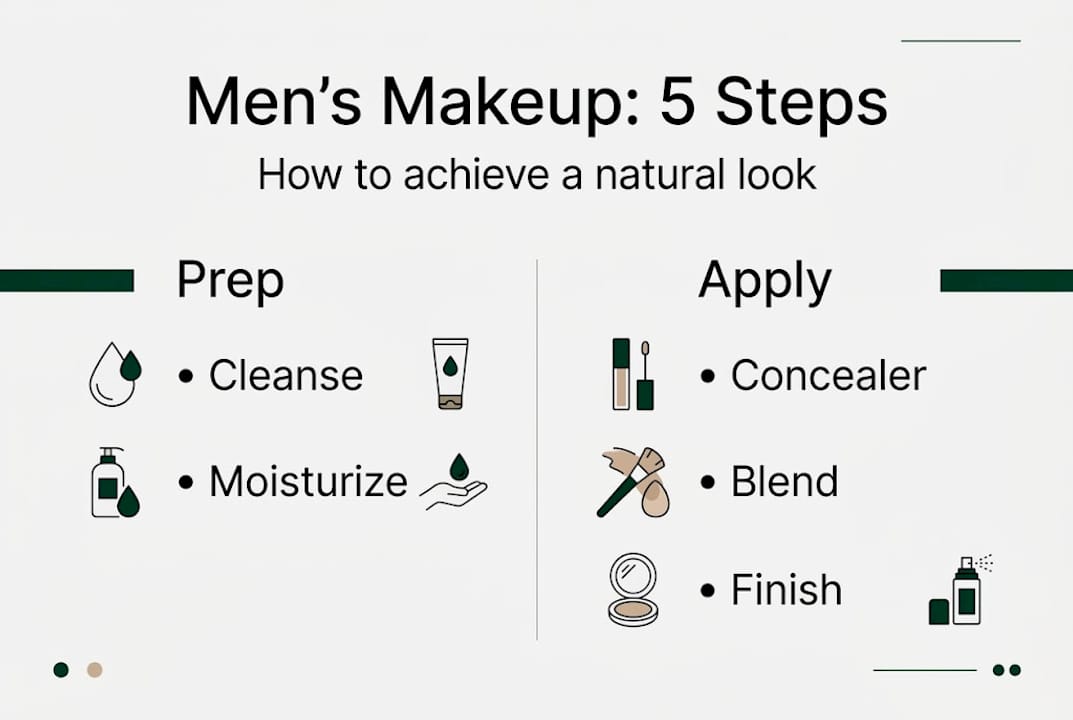
- Step 1: Prepping your skin for makeup
- Step 2: Applying makeup for a natural look
- Troubleshooting and maintaining your look
- A new perspective: Why mastery is about mindset, not makeup
- Ready to look your best? Try discreet solutions made for men
- Frequently asked questions
Key Takeaways
| Point | Details |
|---|---|
| Start with skincare | Healthy skin makes makeup look better and last longer. |
| Master the basics | Concealer and light BB cream are all most beginners need for a natural look. |
| Practice subtlety | Use minimal product and blend well to keep your makeup undetectable. |
| Routine builds confidence | Consistent use and care will boost results and self-assurance. |
Why subtle makeup matters for men
The idea that makeup is “not for men” is fading fast, and that’s a good thing. Attitudes have shifted dramatically over the last decade, and now more men in their 20s and 30s are openly using cosmetics as part of their grooming routine. It’s not a trend. It’s a permanent change in how men think about self-care and appearance.
Here’s the part that surprises most people: you don’t need much to see a real difference. A little concealer on dark circles, a touch of coverage on a red patch, and suddenly you look like you slept eight hours and aren’t stressed about anything. That’s the power of natural look benefits applied with restraint.
The data backs this up. 82% of men report a confidence boost from incorporating makeup and skincare into their routines. That’s not a small number. That’s nearly everyone who tries it walking away feeling better about themselves.
The biggest fear most guys have is looking like they’re wearing something. Like it’ll be obvious. But the key insight here is that subtlety is the goal, not transformation. When you use the right products in the right amount, nobody sees the makeup. They just see a cleaner, more rested version of you. That’s exactly what a subtle makeup guide is designed to deliver.
Here’s what subtle men’s makeup can actually do for you:
- Neutralize redness from shaving irritation or skin conditions
- Reduce the appearance of dark circles after bad sleep
- Even out skin tone without looking powdery or cakey
- Boost first impressions in job interviews, dates, or important meetings
- Build daily confidence in a way that feels personal and private
“The goal isn’t to look like you’re wearing makeup. The goal is to look like the best version of yourself.”
Less is genuinely more here. Start with one concern, one product, and one application spot. Master that before adding anything else.
What you need: Tools and makeup essentials
Building a beginner kit doesn’t require a trip to a full beauty counter or spending a fortune. In fact, the simpler your kit, the easier your routine will be. The best men’s makeup products for beginners are versatile, lightweight, and take seconds to apply.
Here’s what belongs in a basic starter kit:
- Gentle face cleanser to prep skin before application
- Lightweight moisturizer to create a smooth base
- Concealer for targeted coverage on blemishes, redness, or dark circles
- BB cream (optional) for a more even tone across the face
- Blending sponge or clean fingers for seamless application
You can put together a solid starter kit for under $50. Prioritize multi-use products that do more than one job. A concealer that works on dark circles, redness, and blemishes means you only need one product in your bag.
When picking shades, go one step at a time. Match your concealer to your natural skin tone by testing it along your jaw or on the inside of your wrist. If it disappears, it’s the right shade. Too light and it’ll highlight rather than hide. Too dark and it’ll look patchy.
| Tool or product | Best option | Budget option |
|---|---|---|
| Concealer | Stick or pen with matte finish | Drugstore stick concealer |
| Blending | Damp makeup sponge | Clean fingertips |
| Coverage | Lightweight BB cream | Tinted moisturizer |
| Skin prep | Fragrance-free moisturizer | Basic lotion |
Pro Tip: Start with just a concealer before adding anything else to your kit. One well-chosen product used correctly beats five products used wrong every time.
Step 1: Prepping your skin for makeup
Here’s the truth that most beginner guides skip: the quality of your makeup application depends almost entirely on what you do before you open the product. Prepped skin means better coverage, longer wear, and a finish that actually looks natural. Unprepped skin means patchiness, fading by noon, and a cakey texture you’ll notice all day.

This prep takes about two minutes and makes every step after it easier. Follow skincare routine tips to build a solid foundation.
Here’s a simple three-step prep routine:
- Wash your face with a gentle cleanser. Work it in with lukewarm water, rinse fully, and pat dry with a clean towel. This removes oil and debris that would otherwise sit under your makeup.
- Apply a lightweight moisturizer. Use a small amount and let it absorb for 60 seconds before moving on. This smooths out dry patches and gives makeup something to grip evenly.
- Let your skin settle. Wait another 30 to 60 seconds after moisturizing before applying any product. Rushing this step causes makeup to slip or separate.
Consistent daily skincare benefits go beyond just looking good in the moment. Skin that’s regularly cleansed and hydrated holds makeup better and requires less product over time. You’ll actually use less concealer as your baseline skin quality improves.
The skincare-makeup connection is one of the most overlooked parts of a beginner’s routine. Proper preparation makes your makeup look better and last longer, full stop.
Pro Tip: Skip heavy creams or oils before applying makeup. Stick with a lightweight, fast-absorbing moisturizer so you don’t create a slippery surface that breaks down coverage faster.
Step 2: Applying makeup for a natural look
Once your skin is prepped, application becomes straightforward. The goal here is precision and restraint. You’re not painting a mask. You’re making targeted, invisible corrections. Even minimal makeup steps can enhance your appearance with subtle touches for a more confident day-to-day look.
Follow these steps in order:
- Identify your problem areas. Look in natural light, not harsh bathroom lighting. Note where you see redness, dark circles, or blemishes.
- Apply concealer directly to those spots. Use a small amount. A little goes a long way. Tap it on, don’t rub it in aggressively.
- Blend immediately. Use a fingertip or a lightly dampened sponge to tap and blend outward from the center of the coverage area. Blending is where the natural finish happens.
- Add BB cream if needed. If you want more even skin tone across your whole face, apply a pea-sized amount of BB cream and blend outward from the center of your face.
- Check in natural light. Step to a window or go outside and look at your face from different angles. Look for any lines at the edges of your coverage areas or visible patches.
Here’s a quick reference for common issues and how to fix them:
| Issue | Cause | Quick fix |
|---|---|---|
| Cakey patches | Too much product | Blend more with a damp sponge |
| Visible lines | Unblended edges | Tap and feather the edges out |
| Shade mismatch | Wrong product tone | Test shades along jaw before buying |
| Greasy finish | Heavy moisturizer base | Use a matte, lightweight formula |
| Coverage fading | Skin not prepped | Always cleanse and moisturize first |
Troubleshooting and maintaining your look
Even with a good application, things can shift during the day. Knowing how to manage that is half the battle. With a bit of practice, touching up or removing makeup becomes as second nature as checking your hair in the mirror.
Here’s what to watch for and how to fix it:
- Shiny patches: If your skin gets oily mid-day, press a clean tissue gently on the area. Don’t rub. This absorbs excess oil without disturbing your coverage.
- Cakey spots: A damp fingertip pressed gently onto the area can re-blend and smooth things out without adding more product.
- Uneven patches: Apply a tiny amount of the same concealer over the uneven area and re-blend carefully at the edges.
- Unexpected breakouts: If your skin reacts to a new product, stop using it and assess. Natural confidence makeup should never compromise your skin health.
For discreet touch-ups during the day, keep a small amount of your concealer and a travel sponge in a pocket or bag. Use a restroom with good lighting to check and correct quickly.
At night, removing makeup properly is just as important as applying it correctly. Use a gentle cleanser or micellar water to break down any product on your skin. Follow with your regular moisturizer. Practice, patience, and the right routine make a natural look possible for anyone, and that includes the removal step.
Here’s a quick dos and don’ts list:
Do: Remove all makeup before bed, blend carefully, use minimal product, check in natural light. Don’t: Go to bed with product on, over-apply to compensate, use products past their expiration date, or skip skincare on the days you wear makeup.
Every beginner makes mistakes. You’ll misjudge a shade or over-apply on a tired morning. That’s fine. Each time you practice, the routine gets faster and the result gets better.
A new perspective: Why mastery is about mindset, not makeup
Here’s something most guides won’t tell you: the biggest obstacle isn’t finding the right product or perfecting your blending technique. It’s the mental barrier of feeling like this isn’t something you’re “supposed” to do.
That mindset holds more men back than any shade mismatch ever will. The truth is, using makeup is just another form of self-care. You brush your teeth, you moisturize, you style your hair. This is just one more intentional step in looking after yourself.
Approach the routine with curiosity rather than pressure. If the first application isn’t perfect, that’s expected. The guys who get the most out of subtle grooming aren’t the ones who obsess over results. They’re the ones who stay consistent and adjust with a relaxed attitude.
Self-acceptance is actually what makes a natural look work. When you’re comfortable in your skin, a small enhancement doesn’t feel like you’re hiding something. It feels like you’re showing up fully. That confidence is visible in ways no concealer can replicate, and the routine just supports it.
Ready to look your best? Try discreet solutions made for men
You now have everything you need to start a beginner-friendly routine that works. The next step is finding the right product that makes this even simpler.

The Norml All-In-One Concealer was built for exactly this kind of routine. It covers dark circles, redness, and blemishes with a lightweight, matte finish that blends seamlessly into your skin tone. No obvious makeup look. No complicated steps. Just a sharper, more confident version of you in seconds. If you want a single product that checks every box for a natural men’s look, this is the place to start.
Frequently asked questions
What’s the easiest men’s makeup product to start with?
A concealer is the simplest and most versatile product for beginners. It’s ideal for hiding redness or dark circles, and most approachable for newcomers without requiring any additional tools or techniques.
How long does a basic men’s makeup routine take?
With a little practice, most men can complete the basics in five minutes or less. Simple routines are fast and easy to fit into any morning schedule.
Do I need brushes and sponges, or can I use my fingers?
Fingers work well for blending small targeted areas. A damp sponge helps achieve a more seamless finish over larger areas. Many beginners start with just their fingertips before adding a sponge later.
Will makeup clog my pores or damage my skin?
Not if you remove it properly. Use a gentle cleanser at night and follow a daily skincare routine to keep your skin clear and healthy while wearing makeup regularly.
How do I keep makeup undetectable throughout the day?
Use the lightest amount possible, check your look in natural light after application, and touch up only as needed with a clean tissue or sponge. Minimal product and periodic checks are the best strategy for staying undetectable all day.


