

Is Makeup for Men Accepted? A Realistic 2026 Guide
TL;DR:
- Men’s makeup use is rapidly increasing, with about 25% of US men now using cosmetic products, normalizing grooming routines. Acceptance varies by environment, with social media and celebrities driving mainstream perceptions, but stigma remains in traditional communities; subtle, natural application minimizes social friction. Starting with sheer complexion products and targeted concealing allows men to enhance their appearance confidently and discreetly.
The idea that makeup is “only for women” is fading fast. Men’s makeup use has surged, with the share of U.S. men who say they never wear makeup dropping from over 90% in 2019 to around 75% in 2024. That’s millions of guys quietly upgrading how they look, using products that blur blemishes, even out redness, and sharpen their overall appearance. If you’ve wondered whether it’s socially okay, whether people will notice, or where to start, this guide gives you honest answers and a practical path forward.
Table of Contents
- How accepted is makeup for men in 2026?
- Why do some men still hesitate? The stigma explained
- What does “natural” men’s makeup actually look like?
- Navigating men’s makeup in professional settings
- How to start: A step-by-step guide to subtle men’s makeup
- What most guides miss about makeup for men
- Upgrade your look effortlessly with Norml
- Frequently asked questions
Key Takeaways
| Point | Details |
|---|---|
| Acceptance is rising | Far more men are open to makeup now than just a few years ago, but stigma isn’t gone yet. |
| Subtlety works best | The most widely accepted approach is a natural look with sheer, well-matched products and targeted concealer. |
| Workplace rules matter | Dress codes are legal but can’t unfairly target men or women, so aim for products that enhance discreetly. |
| Start simple | A skin tint and concealer are low-risk, effective ways to upgrade your look without anyone knowing. |
How accepted is makeup for men in 2026?
With the changing numbers in mind, let’s dig into how perception and reality differ for guys interested in makeup.
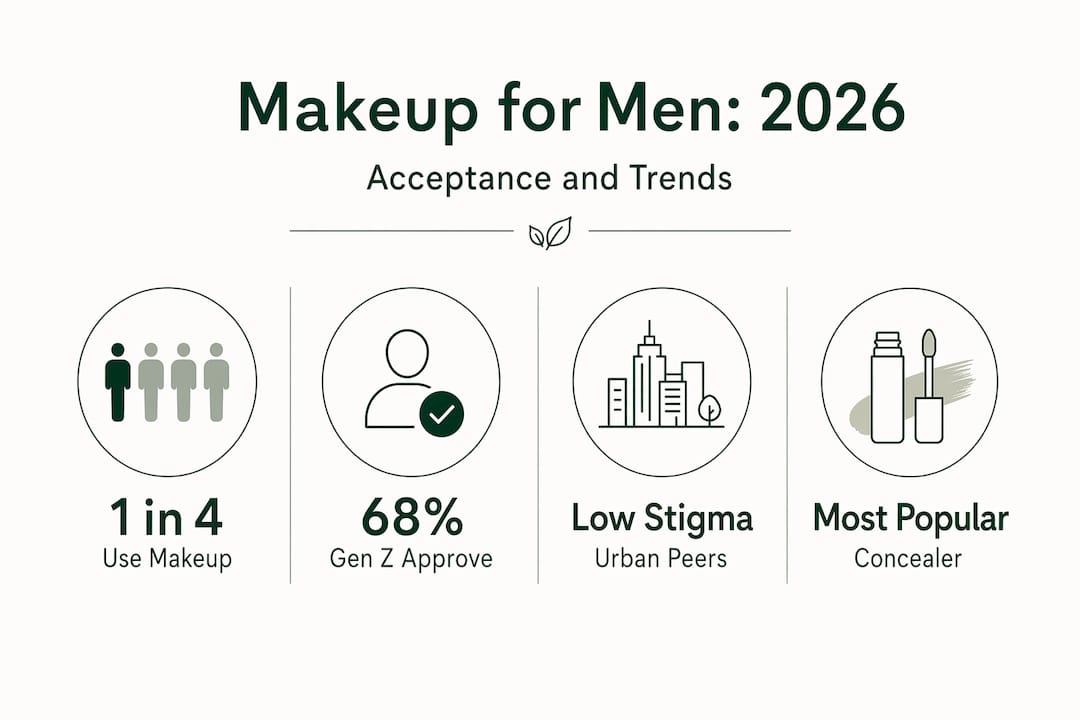
The short answer is this: acceptance is real, growing, and measurable. But it’s not universal. Gen Z and social media platforms have played a huge role in pushing men’s skincare and grooming into mainstream conversations. When prominent athletes, musicians, and content creators openly discuss their skincare routines or wear subtle coverage on camera, it signals to everyday guys that this territory is no longer off-limits. Explore the latest men’s makeup trends 2026 to see just how mainstream this has become.
That said, makeup for men still carries stigma in many circles, even as overall attitudes shift. The nuance matters. Someone living in a major coastal city surrounded by style-forward peers will likely face zero judgment for using concealer. A guy in a smaller, more traditional community might encounter raised eyebrows. Neither experience cancels out the other, and understanding this gap is actually useful because it shapes which products to choose and how visible your routine needs to be.
Here’s a quick look at how acceptance varies by environment:
| Setting | Acceptance level | Notes |
|---|---|---|
| Urban, Gen Z peer group | High | Open conversation, product sharing common |
| Professional office (corporate) | Moderate | Subtle application is generally fine |
| Rural or traditional community | Lower | Discreet products preferred |
| Entertainment or creative industry | Very high | Makeup on men is normalized and expected |
| Dating context | Moderate to high | Most partners are neutral or positive |
The share of U.S. men who say they never wear makeup fell from more than 90% in 2019 to about 75% in 2024, which means roughly one in four American men now uses some form of cosmetic product. That’s a dramatic shift in just five years.
Key factors driving this change include:
- TikTok and Instagram tutorials showing men how to apply products naturally
- Major retailers like Sephora and Ulta actively marketing grooming products to men
- Celebrity normalization, with public figures being open about their skincare and coverage routines
- Product design evolving toward textures and packaging that feel more aligned with men’s preferences
Building confidence with men’s makeup is easier than ever because the cultural conversation has matured. Men are no longer asking “is this okay?” as much as they’re asking “which product actually works?”
“Makeup for men is losing the taboo—but only for those who see it as grooming, not transformation.” — Beauty influencer, Vogue Arabia
The key insight there is framing. Men who embrace subtle, natural-looking products experience the least social friction. The subtle makeup acceptance movement isn’t about dramatic looks. It’s about looking like a sharper, more rested version of yourself.
Why do some men still hesitate? The stigma explained
Understanding how society views men’s makeup sets the stage. Now let’s get candid about hesitation and the subtle forces that keep some guys on the fence.
Stigma around men’s makeup rarely shows up as outright hostility these days. It’s subtler. It lives in the pause before someone says “you look different today,” or the internal debate a guy has while standing in a beauty aisle wondering if anyone is watching him. That internal friction is real, and it’s worth understanding where it comes from.
One of the most revealing patterns is how language shapes behavior. A key nuance in male grooming is wording: some men won’t say “I wear makeup” but describe the same practice as using a tinted moisturizer, redness cover, or skin maintenance product. This isn’t dishonesty. It’s a coping mechanism that allows men to access the benefits of cosmetics without taking on the social identity they associate with “wearing makeup.” And honestly, it works. Language gives men permission to experiment.
The stigma also operates differently depending on context:
- At home with family: Older relatives may genuinely not understand or may hold traditional gender views about appearance
- In the workplace: The concern is usually about being perceived as less serious or “too concerned with appearance”
- With friends: Peer judgment from other men tends to be the most immediate fear, even when it rarely materializes in reality
- In dating: Many men worry partners will react negatively, though surveys consistently show most partners are either neutral or actively positive about grooming effort
“The guy who would never say he wears makeup has been using tinted SPF every morning for two years.” — Personal Care Insights
Social media has made it easier to discover and normalize men’s cosmetics, but it has also created a visibility problem. When you see content online, it can feel like everyone is watching and judging what you do with your face. That pressure can actually cause more hesitation, not less, especially for men who aren’t part of style-forward communities.
Pro Tip: If you’re easing into it, start by describing your routine as “skin prep” or “tone-evening” rather than makeup. There’s no rule that says you have to use any particular label. What matters is how you feel and how you look.
Following grooming trends for 2026 shows a consistent theme: the men who stick with subtle grooming products report higher confidence and lower anxiety about their appearance overall. The hesitation tends to shrink after the first few uses.
What does “natural” men’s makeup actually look like?
Once you understand the social cues and language, it helps to know what “natural” really means when it comes to applying makeup as a man.
Natural men’s makeup is invisible by design. The goal is not to look like you’re wearing anything. Done right, it just looks like you slept eight hours, eat well, and have naturally clear skin. Starting with sheer complexion products like a tinted moisturizer or skin tint, followed by targeted concealing and minimal grooming, is the approach most recommended by beauty editors and professionals who specialize in this space.
Here’s a breakdown of the most common product categories and what they actually do:
| Product | What it does | Best for |
|---|---|---|
| Tinted moisturizer | Evens skin tone lightly | Daily use, casual settings |
| BB cream | Light coverage with skin benefits | Slightly more coverage than tint |
| Concealer | Covers specific spots or circles | Targeted blemishes, dark circles |
| Matte setting powder | Reduces shine, locks product | Oily skin, long days |
| Clear brow gel | Keeps brows groomed | Polish without color |
The natural men’s makeup guide approach always starts with skin prep. Hydrated skin blends products better and makes coverage look more natural. A brief moisturizing step before any product application makes a noticeable difference in the final result.
Shade matching is the single most important factor in invisible application. If your product is even slightly too dark or too light, it creates contrast that draws attention. Test shades on your jaw, not the back of your hand, since jaw skin is closer to the actual tone of your face and neck.
Pro Tip: When choosing a concealer, hold it up to your inner wrist in natural light. If it disappears against your skin, it’s a strong match. Store lighting is notoriously unreliable for color matching.
You can also enhance your look effortlessly by understanding where to apply versus where to skip. Most men need coverage in three places: under the eyes, around the nose, and on active blemishes. Applying product across the entire face when you only need spot coverage is one of the most common mistakes beginners make.
Learning basic concealer tips for men makes the whole process feel less intimidating and more strategic.
Navigating men’s makeup in professional settings
Knowing what subtle makeup looks like, it’s crucial to consider how these personal choices fit or clash with workplace expectations.

Most professional environments are more flexible than men assume. Subtle, undetectable coverage doesn’t register as “makeup” in most office contexts. It reads as “this guy looks sharp and put-together.” That’s actually an advantage.
Workplace appearance standards are real and legally permissible, but companies must apply them fairly. Policies that impose different grooming burdens by gender are increasingly challenged as discriminatory. For practical purposes, what this means is that discreet, natural-looking grooming is almost always within the boundaries of any reasonable workplace standard.
Strategies for workplace grooming success:
- Go matte: Shiny or dewy finishes read differently under office lighting. A matte finish looks more like natural skin texture
- Keep coverage minimal: Use the least amount of product that gets the job done. Over-application is the only way subtle becomes noticeable
- Apply before you arrive: Don’t apply in the office bathroom. Do your routine at home so it’s blended and settled
- Avoid color products entirely at work: Stick to skin-matching coverage. No bronzer, no tinted brow products with obvious color shift
Pro Tip: If you use a concealer for grooming at work, make sure it’s set with a light powder. This prevents transfer throughout the day and keeps everything looking seamless through long meetings and video calls.
Building a morning concealer workflow that takes under three minutes is realistic. Most men who make this part of their daily routine report that it becomes as automatic as brushing their teeth.
How to start: A step-by-step guide to subtle men’s makeup
With the context, stigma, and workplace realities in mind, let’s put principles into practice with a simple, foolproof starter routine.
Sheer complexion products and targeted concealing are consistently recommended as the smart starting point. Here’s a five-step process that works for almost any skin type and situation:
- Prep your skin: Apply a lightweight moisturizer and let it absorb for 60 seconds. This creates a smooth base and helps products blend without patching
- Apply a skin tint or tinted moisturizer: Use your fingertips to pat it gently across your face. Don’t rub. Blend it down your neck so there’s no visible line at the jaw
- Spot conceal only where you need it: Dab a small amount of concealer directly on blemishes, dark circles, or redness. Blend the edges with your ring finger using light tapping motions
- Groom your brows: A clear brow gel or a light trim keeps everything looking intentional without adding any obvious color
- Final check in natural light: Step near a window or take your routine to natural daylight before you leave the house. Office and bathroom lighting hides problems that daylight reveals immediately
Common rookie mistakes that undo an otherwise good routine include: using too much product all at once, not blending into the neck and hairline, applying in artificial light, and choosing a shade that’s too warm or too cool for your actual skin tone.
The beginner’s 5-step guide approach keeps the bar low and the results high. Start with one product. Get comfortable with it. Then layer in additional steps only if you want to.
Pro Tip: The concealer benefits for men extend beyond pure aesthetics. Men who use concealer report feeling less distracted by their appearance during high-stakes situations like presentations, interviews, and first dates. Looking even-toned reduces self-consciousness in a measurable way.
What most guides miss about makeup for men
Here’s the uncomfortable truth that most articles dance around: a huge number of men are already using makeup. They just refuse to call it that. Tinted SPF, BB cream, concealer marketed as “skin corrector,” redness relief products. These are all cosmetics. The product is not the barrier. The label is.
The real gap in men’s makeup acceptance isn’t access or product quality. It’s the honest conversation that hasn’t happened widely enough within male peer groups. Men rarely talk to each other about skincare in the way women do. That silence makes it seem like no one is doing it, when in reality, plenty of guys are.
The zero drama approach to grooming reframes enhancement not as vanity but as basic self-respect. You maintain your car, your clothes, and your apartment. Maintaining your appearance with simple, targeted products fits into the same category of effort. Nothing extreme. Just intentional.
What matters most is this: you don’t need permission from culture or from your peer group to use a product that makes you feel sharper and more confident. The numbers show the tide has turned. The science shows the products work. The only thing left is deciding whether you’re ready to take a small, practical step that only you need to know about.
Upgrade your look effortlessly with Norml
If this guide has you thinking about taking action, there’s one straightforward place to start. Norml was built specifically for exactly this moment, when a guy knows he wants to look better but doesn’t want anything complicated, noticeable, or high-maintenance.
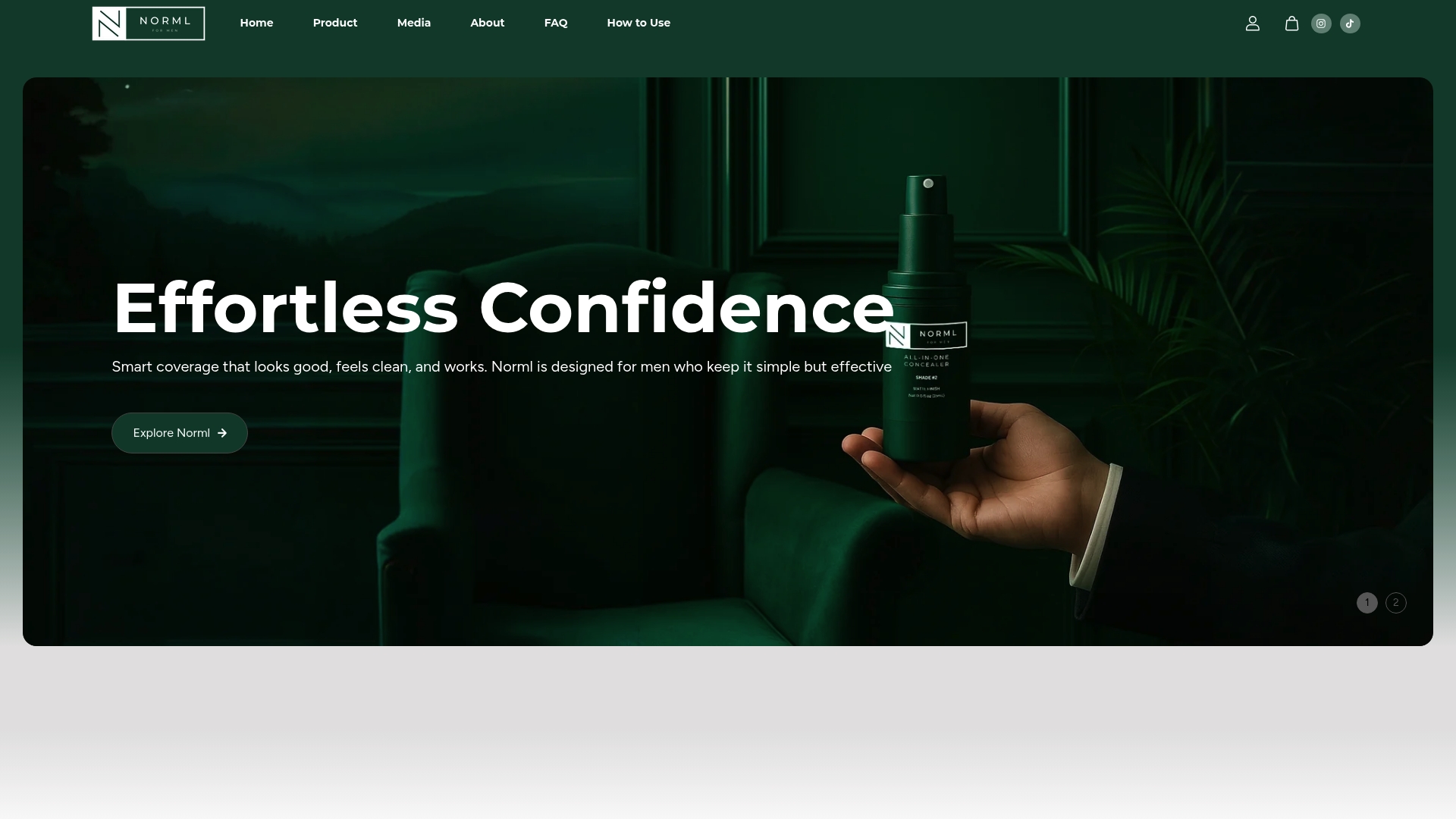
Norml’s all-in-one concealer is lightweight, matte, and formulated to blend seamlessly into men’s skin. It covers blemishes, redness, and dark circles in seconds without leaving any visible trace that you’re wearing anything. No brush kit. No tutorial library. Just one product, applied in under a minute, that makes you look like the sharpest version of yourself. For more tools and guidance built specifically for men’s grooming, visit Norml’s full resource hub and explore what a simple upgrade can actually look like.
Frequently asked questions
Is it normal for men to wear makeup in 2026?
Yes. Public acceptance is growing steadily, and roughly one in four American men now uses some form of cosmetic product, up significantly from just five years ago.
Will people notice if I wear makeup?
Not if you use the right products correctly. Sheer complexion products and targeted concealing blended well are virtually invisible to other people in normal social settings.
Can employers legally stop men from wearing makeup?
Employers can create grooming standards, but those policies must apply fairly across genders. Rules that single out one group or create unequal burdens carry legal risk.
What’s the easiest product for men to start with?
A concealer or tinted moisturizer matched to your skin tone is the ideal starting point. Sheer complexion products require minimal skill and deliver immediate, natural-looking results.


